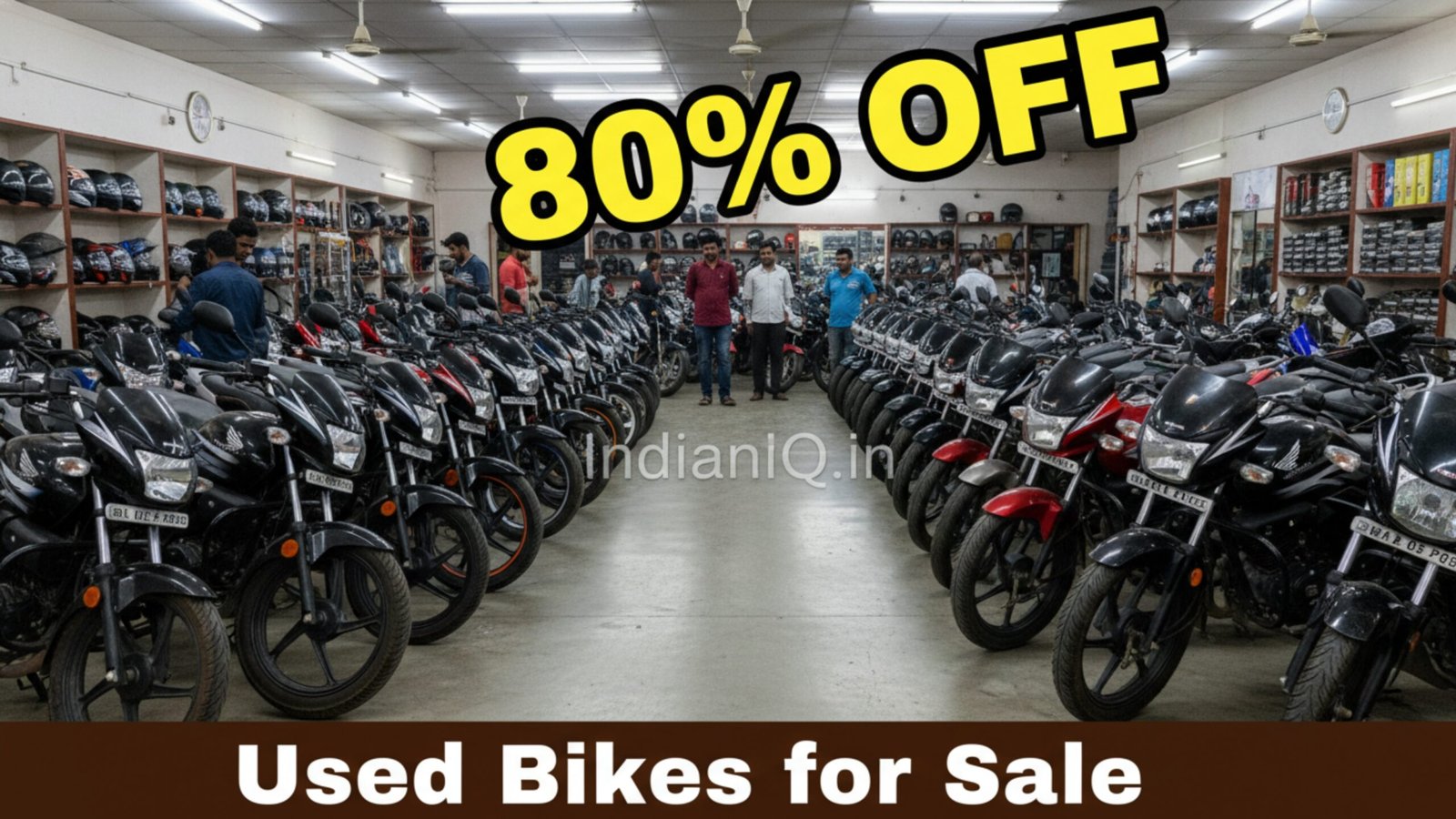
Buying a used bike is one of the smartest decisions for budget-conscious buyers, students, first-time riders, and even experienced commuters. In 2025, the used two-wheeler market in India is more organized, transparent, and buyer-friendly than ever before. With rising prices of new bikes, increasing insurance costs, and rapid depreciation, many people are turning toward pre-owned bikes as a practical alternative.
This complete buyer’s guide explains everything you need to know before purchasing a used bike in 2025 — from benefits and price ranges to inspection tips, documents, and common mistakes to avoid.
Why Buying a Used Bike Makes Sense in 2025
One of the biggest advantages of buying a used bike is cost savings. A new bike loses 15–25% of its value in the first year itself, whereas a used bike has already absorbed most of that depreciation. This means you can get a better model, higher segment bike, or more features at a lower price.
Other major benefits include:
- Lower purchase price
- Cheaper insurance premiums
- Lower registration and transfer costs
- Ideal for beginners and daily commuters
- Good resale value if maintained well
In 2025, certified used bike platforms, digital RC transfer, and online verification tools have made the process much safer and easier.
Popular Categories of Used Bikes in India
Before buying, it is important to understand which category suits your needs.
1. Commuter Bikes
Examples: Hero Splendor, Honda Shine, Bajaj Platina
Best for daily office travel and fuel efficiency
Mileage: 55–70 km/l
Price range: ₹25,000 – ₹55,000
2. Sports Bikes
Examples: Yamaha R15, KTM Duke, Pulsar RS200
Best for performance lovers and young riders
Price range: ₹70,000 – ₹1.6 lakh
3. Cruiser Bikes
Examples: Royal Enfield Classic, Bullet, Meteor
Best for long rides and comfort
Price range: ₹80,000 – ₹2 lakh
4. Scooters
Examples: Activa, Jupiter, Access
Best for city use and beginners
Price range: ₹30,000 – ₹70,000
Where to Buy Used Bikes in 2025
You can buy used bikes from multiple sources:
Online Platforms
Websites and apps provide verified sellers, price comparisons, and RC transfer support.
Pros:
- Wide selection
- Transparent pricing
- Doorstep inspection options
Cons:
- Slightly higher prices due to service charges
Local Dealers
Used bike showrooms in cities and towns.
Pros:
- Easy negotiation
- Immediate delivery
Cons:
- Quality may vary
- Limited warranty
Direct Owner (Individual Seller)
Buying directly from the bike owner.
Pros:
- Lowest price
- Complete ownership history
Cons:
- Requires careful document and condition check
Step-by-Step Inspection Checklist
Never buy a used bike without proper inspection. Here are the key areas to check:
Engine Condition
- Smooth engine sound
- No excessive vibration
- No oil leakage
Mileage and Odometer
- Cross-check mileage with service records
- Look for signs of meter tampering
Tyres and Brakes
- Check tyre tread depth
- Ensure brakes respond properly
Suspension and Frame
- No unusual noise on speed breakers
- No cracks or bends in the frame
Electricals
- Headlights, indicators, horn, self-start
- Battery condition
A short test ride is mandatory before finalizing the deal.
Important Documents You Must Verify
Proper documentation is extremely important to avoid legal issues later.
Mandatory documents include:
- Registration Certificate (RC)
- Valid Insurance
- PUC Certificate
- Original Invoice (if available)
- Service History
- Form 29 & Form 30 (Ownership Transfer)
Ensure the chassis number and engine number on the bike match the RC details.
Ownership Transfer Process in 2025
In 2025, RC transfer has become mostly digital in many states.
Steps include:
- Seller submits Form 29 & 30
- Buyer applies for RC transfer via Parivahan portal
- Insurance is transferred to buyer’s name
- New RC card issued
Always ensure the RC transfer is completed within the legal time frame to avoid penalties.
How to Get the Best Price for a Used Bike
Price depends on several factors:
- Year of manufacture
- Brand and model demand
- Condition and mileage
- Number of previous owners
- Service history
Tips for negotiation:
- Compare prices online
- Point out visible wear and upcoming service costs
- Avoid emotional attachment to the bike
- Be ready to walk away if the price is too high
Common Mistakes to Avoid
Many buyers make avoidable mistakes while purchasing used bikes.
Avoid these common errors:
- Skipping document verification
- Not taking a test ride
- Ignoring accident history
- Buying without RC transfer
- Paying full amount before paperwork
Patience and proper checking can save you from major losses.
Maintenance Tips After Buying a Used Bike
Once you purchase a used bike, immediate maintenance is recommended.
- Change engine oil
- Replace air filter
- Check brake pads
- Inspect chain and sprocket
- Get a full service done
This ensures long life and better performance.
Buy Now
Buying a used bike in 2025 is a smart and economical decision if done correctly. With improved online platforms, digital documentation, and better awareness among buyers, the used bike market has become safer and more transparent.
By choosing the right category, inspecting the bike thoroughly, verifying documents, and completing ownership transfer properly, you can enjoy reliable transportation at a fraction of the cost of a new bike.
Whether you are a student, office commuter, or bike enthusiast, a well-maintained used bike can offer excellent value for money and years of dependable service.